
In my last post, I shared why I built my own ebook metadata editor and how it came together. Deciding to publish it earlier than expected, on a whim, proved to be a crash course on what to consider before going public.
While the main functionality seemed up and running, and with New Year’s Eve approaching, I decided to drop a message to the selfh.st newsletter, which according to their website has over 20,000 subscribers. Things moved faster than I expected. Ethan replied the same day that it would be on the new software list in the next newsletter. The next day, Self-Host Weekly #152: Wrapped landed in my inbox, and it dawned on me that a lot of people were about to try my editor.
In a slight panic, I put up a live demo of the webapp on my server. I also went from v1.0.0 to v1.0.2 in rapid succession, fixing basic bugs so the demo would hold up for an unexpected spike of users.
Late that night, I realized I had no way to track traffic on the subdomain hosting the demo (I normally use GoatCounter on my main site). As a quick fix, I set up Caddy to log visits for the first few days, before routing them to a standard logging path. I’m glad I did.
Quick stats: 22 unique countries visited the demo in the first five days. Many users made multiple requests, showing they were actively testing the editor’s features. A small tool and a handful of curious users, but seeing strangers use something I built was a thrill.
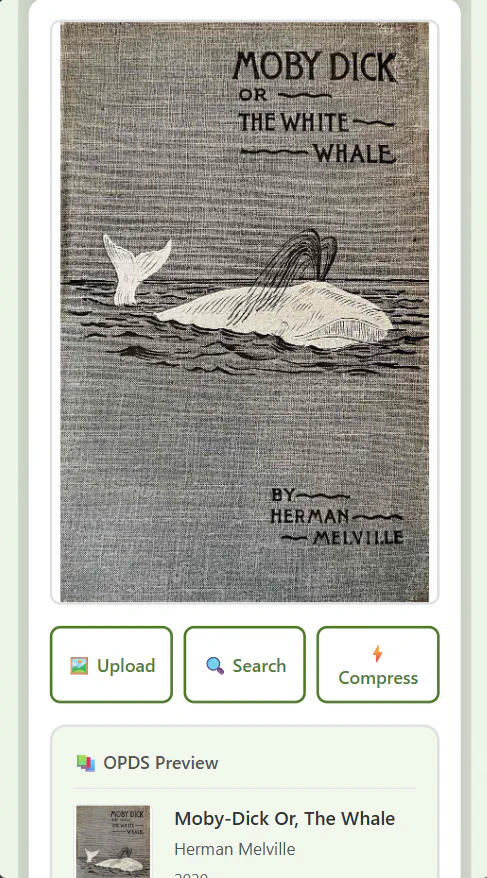
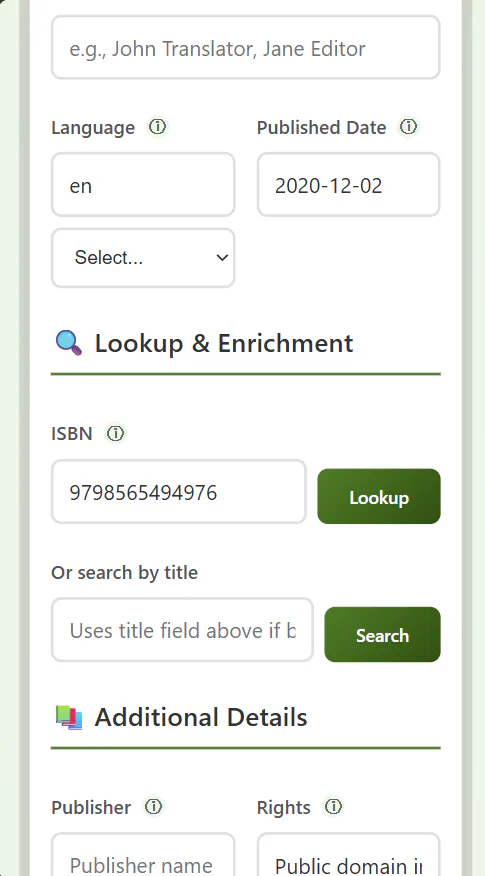
Most importantly, this sudden exposure revealed real errors I would never have uncovered on my own. Logs showed HTTP 413 (Payload Too Large), HTTP 502 (Bad Gateway), and HTTP 500 (Internal Server Error). These were the issues I needed to tackle.
The most interesting was the “Payload Too Large” error. Demo testers were uploading ebook files far larger than any I had tried. Debugging revealed that Fastify, my server framework, limited file upload sizes by default. This was a critical oversight, one I wouldn’t have caught without real users pushing the limits. Luckily, the fix was simple, and v1.0.3 rolled out within the same day.
The second takeaway was performance: handling books over 30 MB was slow. While it worked, it highlighted the need for a loading indicator. That feature has since been added to the roadmap for a future release.
That is the lesson I take into the next release: testing on my own machine only proves that the software works the way I use it. Real users bring bigger files and habits I never thought of, and in a few days they found what I hadn’t found on my own.
The live demo can (temporarily) be found at Demo – EPUB Bookprep.
The demo is intended for light, manual testing. Files are processed in memory and not stored, and uptime is not guaranteed. For regular use, self-hosting via Docker is recommended.
If you want to host it yourself, the source code and Docker image are available at my GitHub repository.
Comments