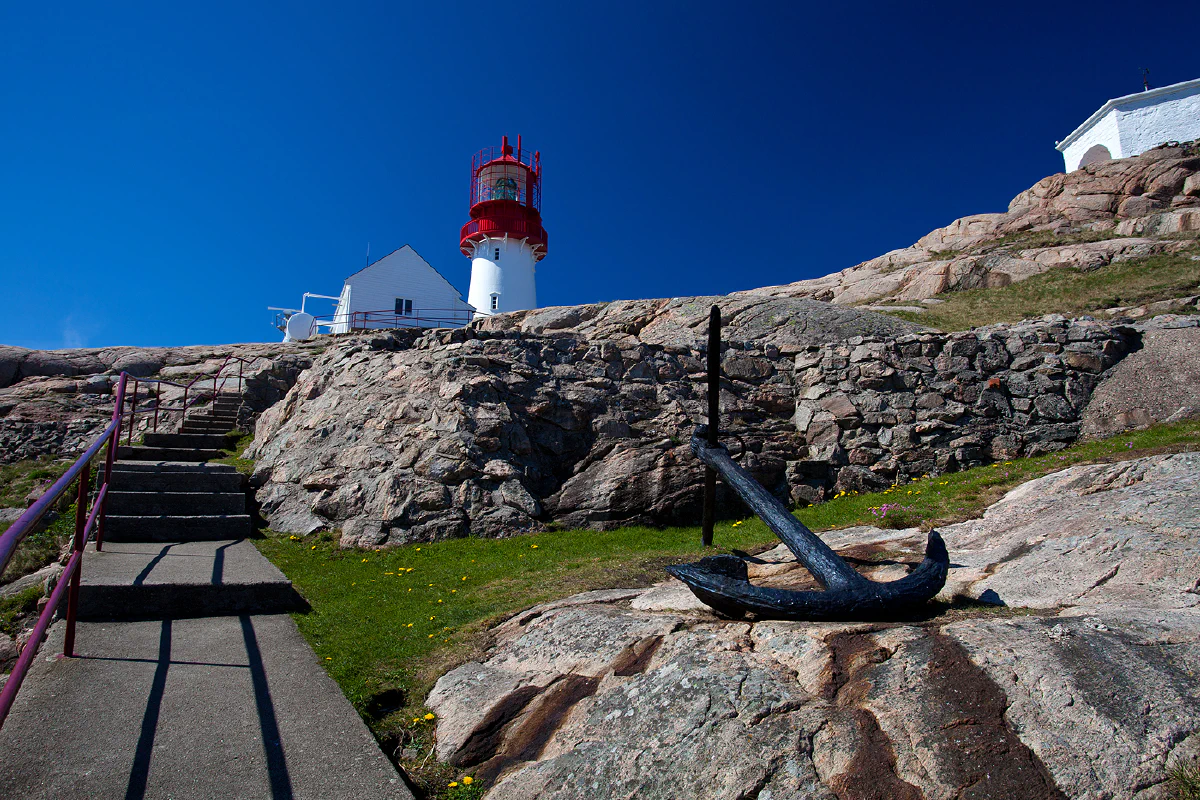
A drawing session with my eldest son, where the subject was lighthouses and ocean scapes, triggered many questions which I tried to answer to the best of my knowledge. We talked about the range of the light beam and the purpose of the railing around the top of some of them.
Thanks to my interest in flashlights, I could explain a bit about how the lenses worked. But when the kids were finally asleep for the night, I found myself curious to learn more about the subject we had been studying and drawing all day. The amount of thought that had gone into every detail of their construction, and into all the different kinds, ran a lot deeper than I had ever noticed. The history ran deeper still.
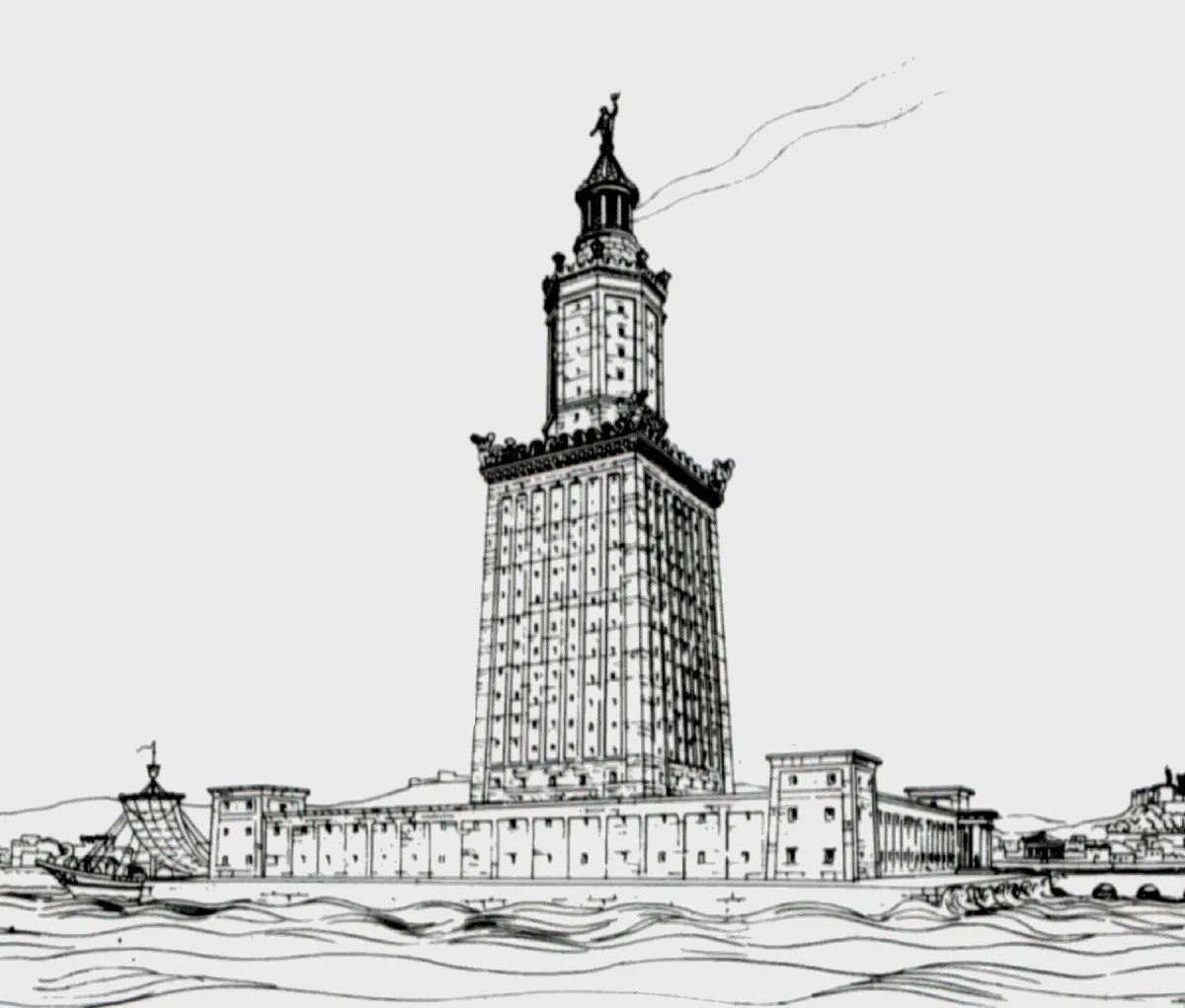
Lighthouses date back to ancient times, starting as mere bonfires on stone columns and evolving steadily until the Lighthouse of Alexandria around 280 BC (one of the seven wonders of the world!), which bears a close resemblance to modern lighthouses, though it was still largely powered by open fires fueled by wood, coal, candles and oil.

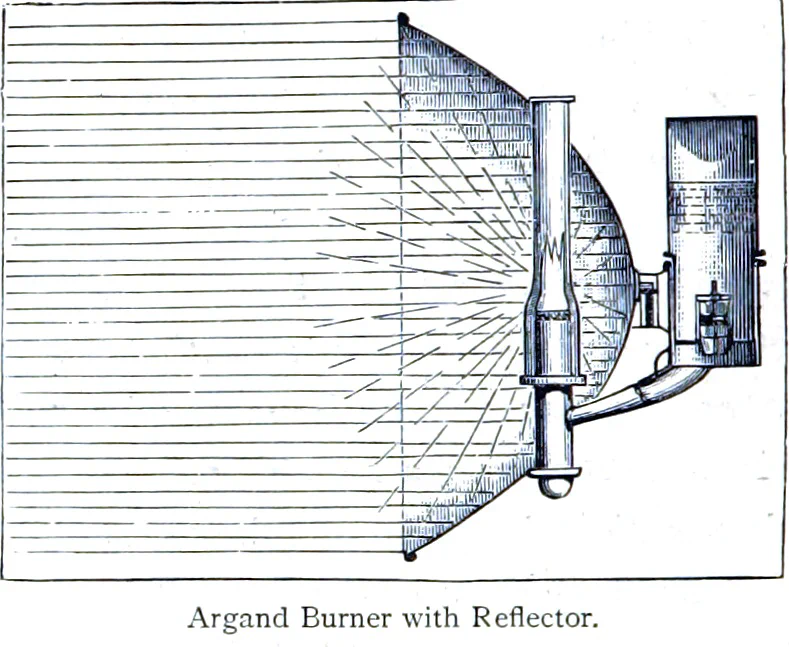
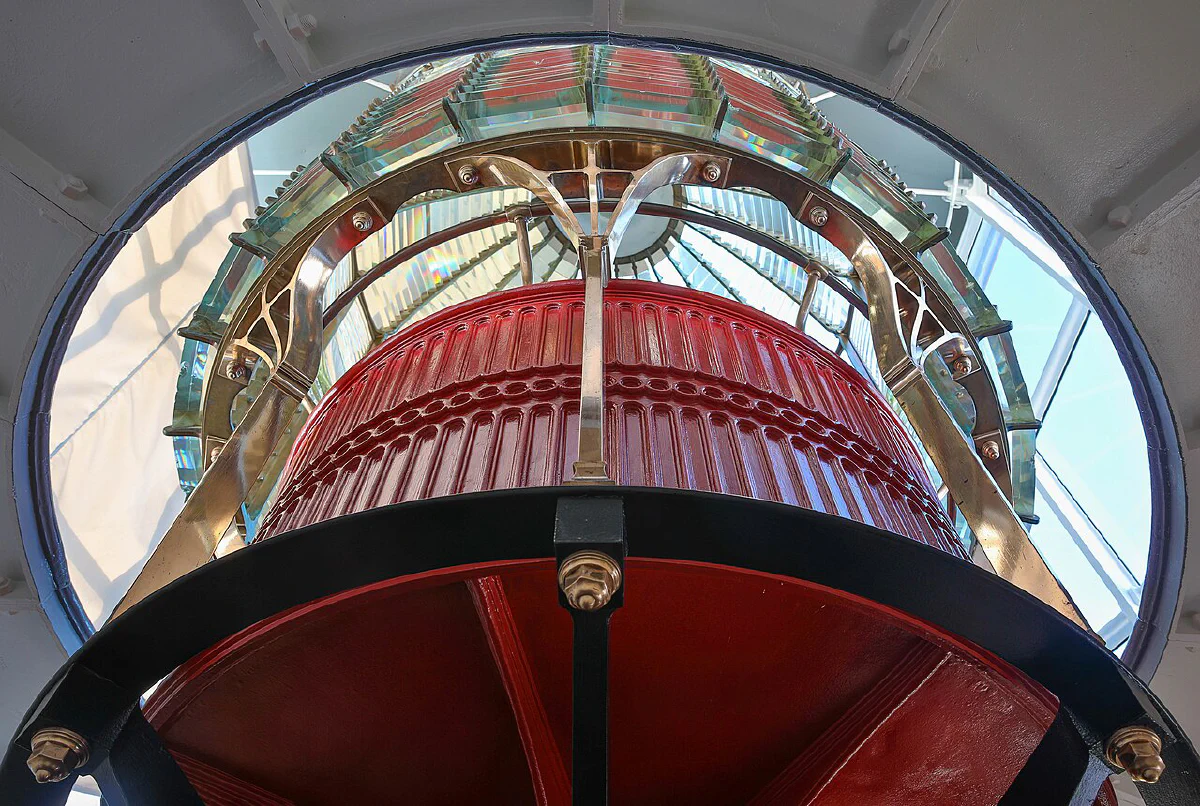
As time passed, the true leap came in the late 1700s with breakthroughs in both wicks and mirrors to direct the beam (I strongly suggest you watch this video from Technology Connections, which dives deep into how wick and airflow designs worked. It’s a fascinating subject!), followed by the Fresnel lens, which revolutionized how the light was concentrated.


We could go on for page after page about all the small details that had to be considered: the living quarters, the iron roof and grounding against lightning strikes, the fog horns and how their keepers operated them through the ages, and the wide variety of constructions and placements.
But most of all, what caught my attention was how little I knew about the different types of lighthouses and why they were positioned the way they were. Our drawings were merely of the typical lone coastal lighthouse, but that was only scratching the surface.
One type that really stood out was range lights, also known as leading lights. I was struck by their simplicity as a navigation aid, and by how they work almost instinctively to guide you through dangerous waters. Instead of relying on a single light to mark a hazard or a coast, they use a pair of beacons working in tandem to create a high-precision guide.
The front light, positioned close to the water or at the entrance of a channel, is usually lower in elevation, brighter and more intensely focused.
The rear light, positioned further inland, is set at a higher elevation than the front light.
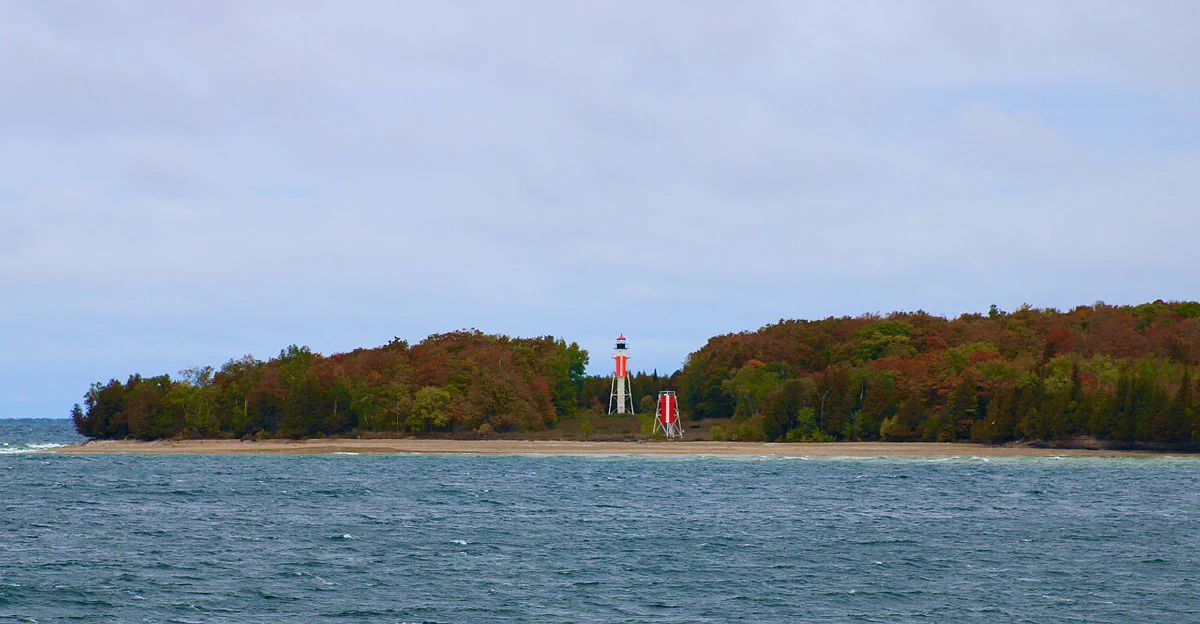

It works much like taking a mark when rowing a boat. You are not facing the direction you are traveling, so you pick a point in the distance and keep the boat pointing at it. By keeping both lights stacked dead center, one on top of the other, you know you are on course. If the ship drifts, parallax makes the rear light appear to shift to the left or right of the front light, and you steer to chase the rear light. The beauty of it is that it is self-calibrating. There is no need to take precise compass headings or worry about magnetic deviation, and even a tiny drift is visible long before there is any risk of running aground.
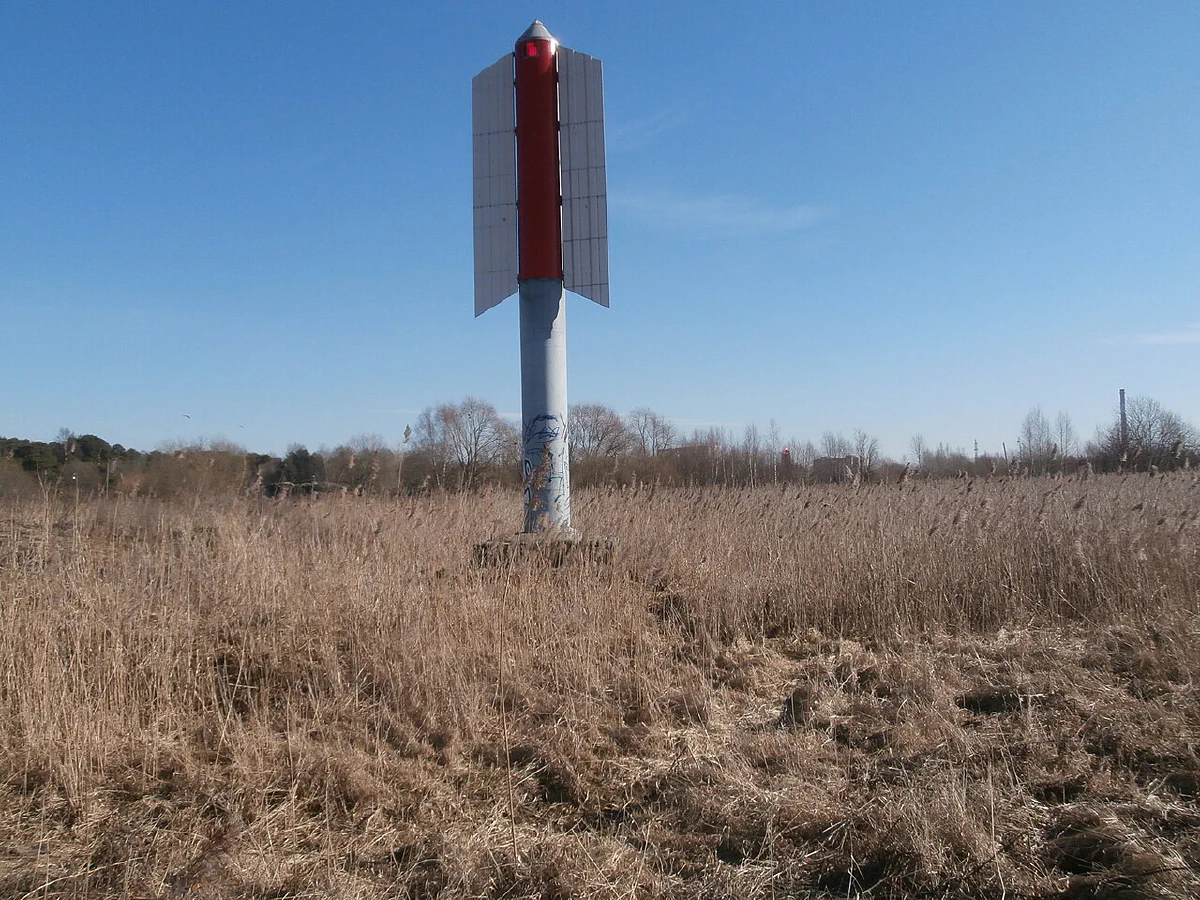
Range guidance is not limited to nighttime. On days when the light itself is harder to see, mariners can navigate by daymarks: the way the towers are painted and shaped. With high-contrast colors and distinctive shapes, these structures can be used just as at night, aligning the top marker directly over the bottom marker to stay on course.

The day after, we picked up the conversation about lighthouses again, and I got to share some of what I had learned. But as it turns out, our next venture is more about pirate ships than lighthouses, so it seems I have some more reading to do. That is the thing with curious young minds: they set the course, and I am more than happy to follow the rear light.
Cover photo: Lindesnes Lighthouse, Norway. Photo: Svein-Magne Tunli (tunliweb.no), CC BY-SA 4.0, via Wikimedia Commons

Comments