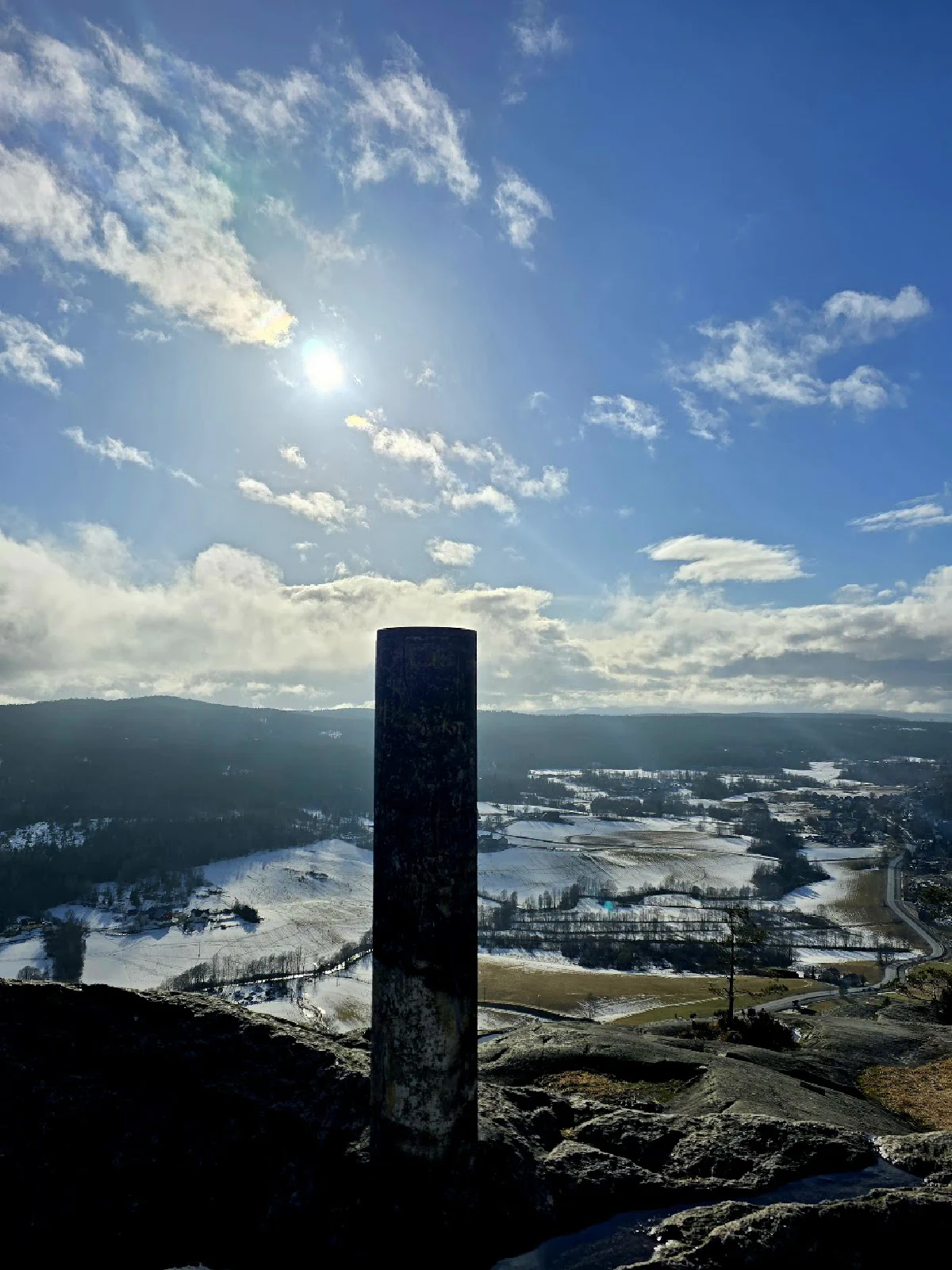
Winter is losing its grip, and trail season is approaching. This year, I haven’t settled on specific goals. I’ve been tempted to push past my usual half-marathon distance, but what excites me most is the experience of beautiful scenery, cool trails, and people to share it with.
One thing I do know is that I will not be buying commercial sports drink mixes. After reading extensively about the science behind them, I discovered that replicating the “hydrogel” effect is surprisingly simple.
Maurten has been my baseline for a while. It is easy to find, it is marketed as “Hydrogel Technology” and works well, but the price is hard to justify for anything beyond occasional races.
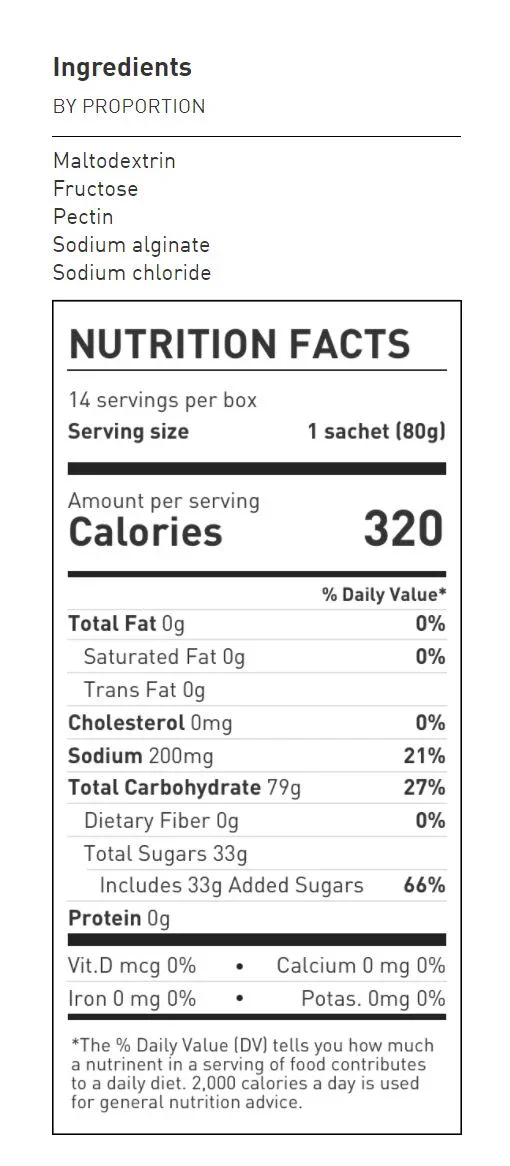
After digging into the science behind it, I found out that the hydrogel part is essentially two simple ingredients working together:
- Pectin slightly thickens the liquid and creates a soft gel structure while keeping the drink easy to swallow.
- Sodium alginate forms a gel network when it encounters acid (like stomach acid).
The result is a drink that behaves like a normal sports drink while drinking, but forms a soft gel in your stomach to stabilize carbohydrates and make them easier to tolerate for your stomach during long efforts.
The numbers match up well: 320 kcal, 79 g of carbohydrates at the same maltodextrin-to-fructose ratio, and the same hydrogel-forming quantities found in the commercial product. What you’re giving up is som, convenience and the brand on the label.
Cost breakdown per serving in NOK
| Ingredient | Amount used | Price per g | Cost NOK | Cost USD |
|---|---|---|---|---|
| Maltodextrin | 46 g | 0.242 kr | 11.13 kr | 1,13 USD |
| Fructose | 33 g | 0.275 kr | 9.08 kr | 0.92 USD |
| Pectin | 0.5 g | 1.32 kr | 0.66 kr | 0.06 USD |
| Sodium alginate | 0.5 g | 1.212 kr | 0.61 kr | 0.06 USD |
| Total | 1 serving | 24.47 kr | 2.46 USD |
For comparison, the same serving of commercial mixes in Norway usually costs around 45 NOK (4.61 USD), making this DIY version 50–65% cheaper even without buying unreasonably in large bulk.
Base recipe for 500 ml of water Per 80 g serving (provides ~320 kcal):
- Maltodextrin: ~46 g (slow release carbohydrates)
- Fructose: ~33 g (provides sugar)
- Pectin: 0.5 g (thickens the liquid)
- Sodium alginate: 0.5 g (forms a gel network when reacting with stomach acid)
- Salt: 0.5–1.5 g (adjust based on climate, high sweat = more salt)
My first batch checked every box on paper. I mixed it up, headed out, and spent an hour drinking something that tasted like slightly thickened nothing. I’d forgotten flavor entirely in my rush to get outside. It worked fine physiologically, but it wasn’t exactly motivating. The training season is probably the right place to experiment, low stakes, enough repetition to actually notice how you react, and no race-day regrets if something doesn’t sit right.
Liquid Flavorings
- Natural flavor extracts: 1–2 drops of vanilla, orange, or lemon extract.
- Fresh lemon or lime juice: Up to 1–2 teaspoons per serving.
- Food-grade essential oils: 1 drop of orange, lemon, or mint.
Liquid Substitutes You can replace part of the water with these for additional flavor:
- Coconut water: Replace 100–150 ml of the water (also adds potassium).
- Filtered ginger tea: Simmer fresh ginger in water, let it cool, then strain very well before using.
- Orange or lemon zest tea: Steep citrus peel in hot water, cool, and strain thoroughly.
Tip: avoid highly acidic ingredients (like large amounts of citrus juice) as they can interfere with gel formation. When preparing a serving, dissolve all of your mix first in about 100 ml of water, stirring thoroughly before adding the remaining liquid.
The ingredients are sorted. The bland first attempt is behind me. Now it’s just a matter of picking some races, finding the right flavor for a long climb, and remembering why I started running, the quiet freedom of motion and trails that keep going.
Happy spring!
Comments